Tuesday, August 23, 2016

Sprout whole grain bread
Makes two loaves


Ingredients:

6 cups wheat berries ( hard spring or winter wheat berries)
2 teaspoons active dry yeast
1/4 cup warm water
1/3 cup honey
4 teaspoons salt

Directions:

Be very careful to only sprout the berries until the tiny sprout is just  beginning to show and the grain itself is tender. This can take anywhere from 12 -24 hours, rinse and change to clean water 3-4 times during that period. (depending on the temperature in your kitchen.) If the grain is not tender, your grinder will heat up, making the dough too hot. I use a food processor. It works really well.

Let the grains soak for about 24 hours while keep changing fresh cold water. Until it shows the tiny sprout just beginning to appear. At this point, rinse and drain the sprouted grains until water is clear. If don't have time to make bread right away, put them in the refrigerator to rest until ready to make the bread. 

When I am ready to make bread, take the grains out of the refrigerator and rinse and drain them again.
Then remove the excess moisture from the grains by patting them with a paper towel.

Then grind the grains with the food processor. Grind about 1/4 of the grain at a time. Kneaded each batch a little bit in the food processor. 
Do the same thing to rest of the grains when it is all together in the big bowl.  
Then continue the process of making the bread. First, dissolve the yeast in the warm water. Then, add the honey, salt, and yeast to the ground sprouts and mix it together really well with wet hands.
It is a little bit gooey but it really isn't that bad doing it by hand.
After mix it really well, form a round ball like a normal yeast dough, cover it with plastic or a cloth and let it rise for 2 hours.
After two hours, divide the dough in half and shape each half. Then flatten and spread each half  into a rectangle and roll each rectangle up jelly roll style.

To form a loaf. Pinch the seam together, then rolled it around until the seam is on the bottom. Then place the loaves in two greased 8 1/2 x 4 1/2 inch glass pans.

Let the loaves rise in the pan until the dough rises the top of the pans.

Bake the loaves at 350 degrees for about an hour. 
After the loaves finish baking, allow the bread to cool for a few minutes then remove from pans and place on the cooling rack. Then If you want you can brush the loaves with melted butter (it works very well without any butter too) and let them finish cooling.


Edible wild greens 

(mixed with Amaranth, dandelion, Mallow, Lambs quarter, prickly lettuce, Pennycress)
Amaranth

Dandelion

Lamb's Quarters

Mallow

Ingredients:

 1 baseball size of blenched and soaked greens
1/2 Tbs Braggs aminos (soy sauce)
1 Tbs or less Korean hot pepper paste (gochujang)
1-2 garlic cloves, minced or pressed
1 tsp roasted and crushed sesame seed
1/4 tsp sucanat sweetener (100% evaporated cane juice) or any healthy sweetener
1/2 tsp sesame oil
Optional: 1 tsp any nut meal  (almond,pecan, grounded flaxseed...) and 1-2 chopped green onion.

Directions:

Gather Wild greens from a safe place such as your own garden, avoid public places such as parks or the side of the street. Wash greens and clean off dirt.
Blench greens into boiling water 2-3 minutes or until greens are soft. Then place the greens into cold water and leave overnight. 
Soaking them is important to pour the bitterness from greens.
Than Rinse greens well, until water is clear and squeeze out excess water.
Place Greens into a bowl and add all other ingredients. Mix well by hand (I use gloves).  

Serve with rice, or as a side dish.
Almond (Nut) Milk
Makes 1 quart

Ingredients:

1/2 cup organic raw almonds (or any other seed or nut)
2 1/2 cups purified water
1 tsp lemon juice
1/4 tsp sea salt
2 pitted dates
1 tsp vanilla extract

Preparations:

Place the 1/2 cup almonds in a medium size bowl and soak them in water overnight.
(it won't hurt if you soak them longer than 12 hours) While they are soaking rinse a couple times and discard old brown water and replace it with fresh water. After it has soaked over night you can keep almonds with water in the jar 2-3 days in the refrigerator.

The next day, discard the old water, rinse well and peel brown almond skin if you desire. Place the almonds and fresh water into the high speed blender and blend for 30 seconds.
Add the lemon juice, dates, vanilla, and sea salt and process again.
Place into a quart glass jar to preserve the taste and freshness.
Can be stored in the fridge for 3-4 days.

* If you don't have high speed blander you can strain the liquid through cheesecloth to remove the large pieces.

Friday, July 29, 2016

Soaking nuts, grains, seeds, and legumes


Soaking makes seeds, nuts and legumes easier to digest and the nutrients more easily absorbed.  I've heard for many years that there are benefits to soaking.  So I soak most grains and legumes but haven't done nuts and seeds much unless I'm making milk.  Lately I have heard that so many people that have stomach issues including my own family.  This has motivated me to research what benefits there are to soaking.  Thankfully through Google and Pinterest I was able to find some information explaining the pros of soaking.

Here's what I've learned:  Why I should soak nuts.

"Unlike grains, nuts contain smaller amounts of phytic acid. Their real issue for us is having high amounts of enzyme inhibitors. There enzymes are useful to seeds and nuts because it prevents them from sprouting prematurely. But they can really strain your digestive system.  Soaking your nuts in warm water will neutralize these enzyme inhibitors, and also help encourage the production of beneficial enzymes. These enzymes, in turn, increase many vitamins, especially B vitamins. It also makes these nuts much easier to digest and the nutrients more easily absorbed.  Also the salt helps activate enzymes that deactivate the enzyme inhibitors. For grains, we soak in an acidic solution to get rid of phytic acid. Nuts do not contain much phytic acid but do contain high levels of enzyme inhibitors. The method imitates the way the native people in Central America treated their nuts and seeds by soaking them in seawater and then dehydrating them.
For more information refer to the book "Nourishing Traditions" by Sally Fallon.

In order for soaking to be effective these items must be soaked for 12-24 hrs so I usually soak mine throughout the night.

"As little as seven hours of soaking in warm acidulated water will neutralize a large portion of phytic acid in grains.  The simple practice of soaking cracked or rolled cereal grains overnight will vastly improve their nutritional benefits.  Flour products should be soaked at room temperature for at least twelve hours but better results may be obtained with a twenty-four hour soaking.

"I have enjoyed almonds wet.  If you choose to try consuming anything in the soaked state, make little batches and store them in the refrigerator.  usually everything that is soaked is dried in a dehydrator or oven on the lowest possible setting for 24-48 hours to remove all moisture.

Wheat berries can be soaked whole for 8 to 22 hours, then drained and rinsed. Some recipes use the whole berries while they are wet, such as cracker dough ground right in the food processor.  You can also dry sprouted what berries in a low-temperature oven or dehydrator, and then grind them in your grain mill and use the flour in a variety of recipes  Nuts, grains, seeds and legumes can be ground up to use as flour in many recipes after they have been dried.

Maureen Diaz recommends soaking any beans or legumes in water and vinegar for at least twelve hours before cooling.  Soaked and dried beans may be ground up and used as flour for thickening and baking.  This is helpful for those on a gluten free diet.

Our recommendation includes placing soaked kombu or kelp seaweed in the bottom of the pot when soaking legumes.  Add one part seaweed to six or more parts legumes.  This is for improved flavor and digestion, more nutrients, and faster cooking.  "Soak legumes for twelve hours or overnight in four part water to one part legume. For best results, change the water once or twice,  lentils and whole dried peas require shorter soaking, while soybeans and garbanzos need to soak longer.  Soaking softens skins and begins the sprouting process, which eliminates phytic acid, thereby making more minerals available.  Soaking also promotes faster cooking and improved digestibility, because the gas-causing enzymes and trisaccharides in legumes are released into the soak water.  Be sure to discard the soak water.  After bringing legumes to a boil, scoop off and discard foam. Continue to boil for twenty minutes without lid at beginning of cooling to let steam rise (breaks up and disperses indigestible enzyme)"

I quoted from Delicia Beaty and Sharon Foutch wss.nourishingconnections.org    

Friday, July 15, 2016

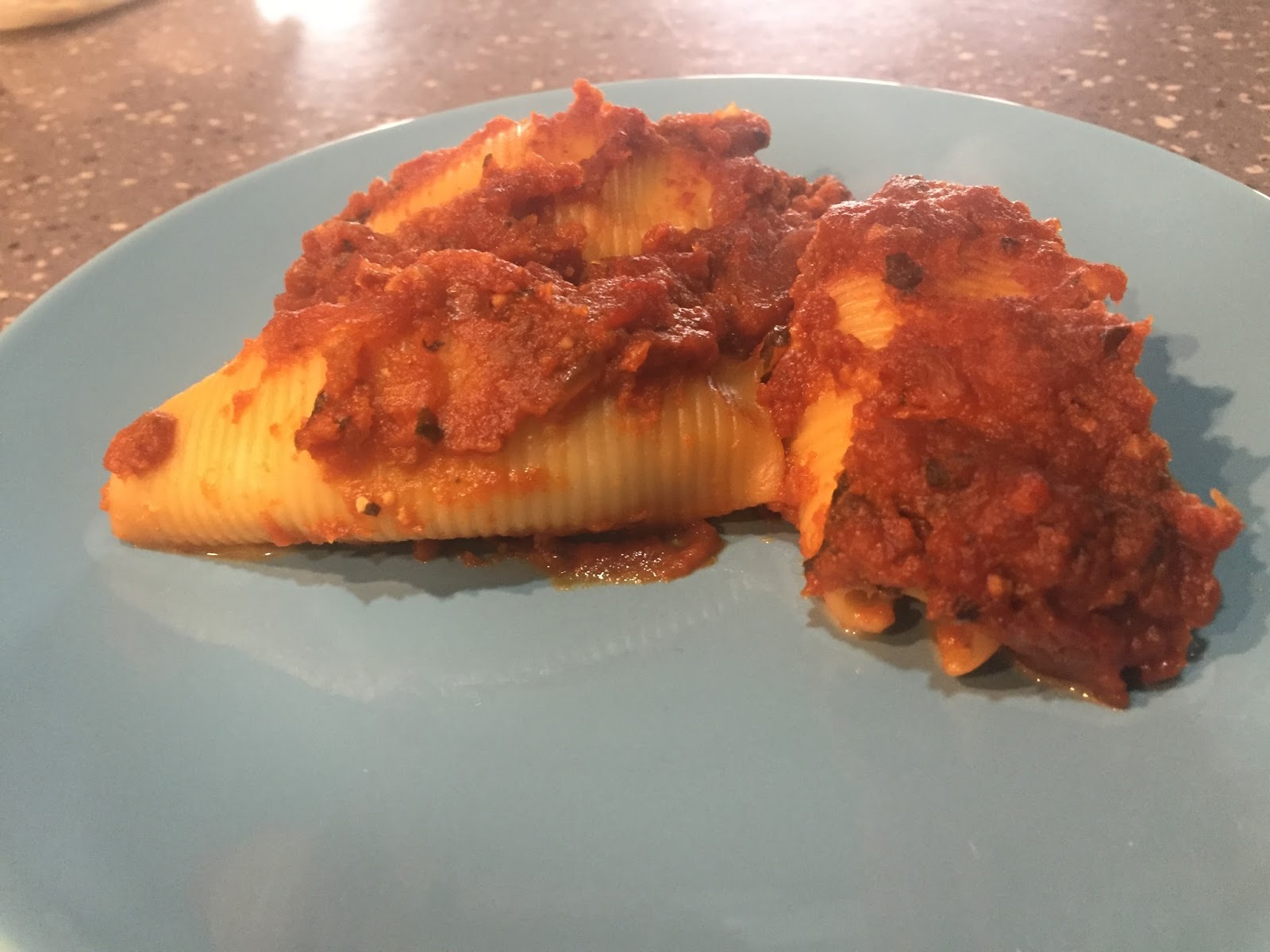
Jumbo stuffed shell (vegan dish)


Ingredients:
1 package jumbo shell pasta
1 package firm tofu
5 tablespoon pesto
1/2 cup nut sauce (walnut, cashew)
1/2 minced mushroom
3/4 teaspoon salt
3 cups marinara sauce


Soaked nuts in warm water an hour or cold water overnight (click on link for full nut sauce recipe). Place nut sauce aside.

Cook pasta according to the package. Pat tofu dry with paper towel.

In a big mixing bowl place tofu, pesto, nut sauce and/or mushrooms, and salt mix well.


Put the mixture in shells


 9"x13" pan, spread 1 cup  marinara sauce on the bottom of the pan and lay stuffed shells on top, and spread rest of marinara sauce on top of the shells.


Bake 425* 30 minute.
Serve with salad, baked vegetables, garlic bread.


Basic Cashew Cream Sauce


Ingredients:
2 cup cashews
1 cup water
1 teaspoon salt 
1 clove of garlic
1 teaspoon lemon juice


Two options to soak cashews: 1. Place cashews in a bowl and cover with warm water for 1 hour, drain and rinse well. 2. Place cashews in a bowl and cover with cold water and soak overnight. Drain and rinse well.


Place soaked cashews in a food processor and/or blender with water, garlic, salt, and lemon juice and puree until smooth. You can add more or less water for desired consistency.


Optional: You can also omit the garlic and/or add herbs such as basil or thyme and olive oil for different flavors and consistency.

Basic Cashew Sauce can be used as a substitute for heavy cream in soup or pasta sauce recipes, used as a flavorful thickener in curries, or it can just be used as an Alfredo alternative on pastas, pizza, etc.

You can use right away or store it in the fridge up to 3 or 4 days. You may also freeze for later use.

Wednesday, July 13, 2016

Boo's Fresh Salsa
Makes 2 cups


Ingredients:
5 roma tomatoes
1/4 onion
1/2 to 1 jalapeno
1 lime juice
1/2 teaspoon sea salt
1/2 cup cilantro
1/2 teaspoon sea salt (less or more to taste)
1/2 cup corn (optional)
1/4 teaspoon cumin (optional)
Diced red and green pepper (optional)


Chopped tomatoes, onion, jalapeno, cilantro


In a bowl, combine all together, add lime juice, salt, and any other options you desire. Mix well!
Enjoy it with any Mexican dishes, omelet, scrambled eggs, hash brown.
we enjoy it with fried rice as well!